Professional PEST CONTROL SEVICE in Toledo addresses active residential infestations through targeted botanical barriers, mechanical exclusion, and micro-dose bait applications designed around local building styles. Homeowners seeking reliable pest control service near me receive a full physical assessment of basement foundations, crawlspaces, and roof junctions before any treatment begins.

PEST CONTROL SEVICE in Toledo is an integrated pest management and structural exclusion protocol deployed across Lucas County properties to eliminate sanitary and wood-destroying organisms without broad-spectrum chemical saturation.
Every service reflects the same meticulous attention to detail, whether it's a single job or a larger pest control sevice project across Toledo.
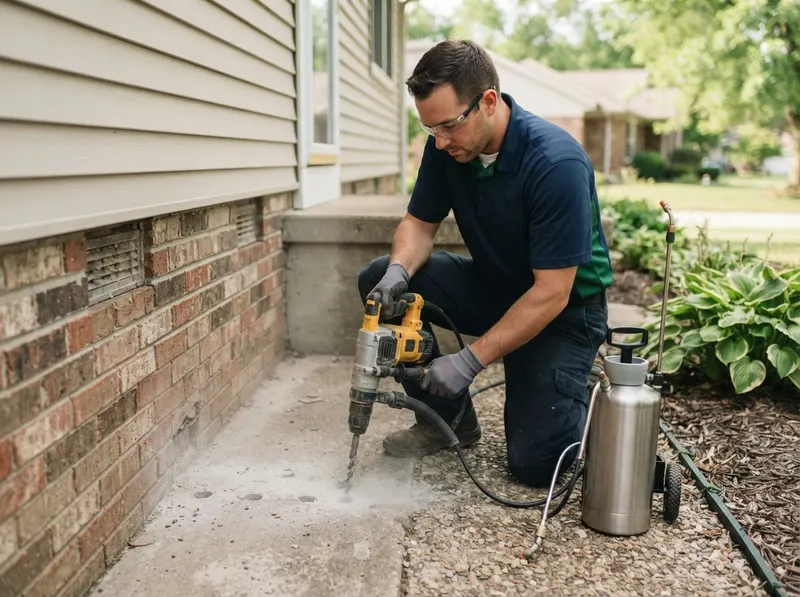
Subterranean termite mitigation halts Reticulitermes flavipes colonies using non-repellent liquid termiticides, targeted sub-slab injections, and low-profile exterior bait stations placed at ten-foot intervals along structural perimeters. Technicians systematically inspect fieldstone basement walls, dirt-floor crawlspaces, support piers, and garage expansion joints where subterranean worker termites construct mud tubes to reach cellulose framing. Soil treatments establish a continuous barrier that termites unknowingly transport back to subterranean nests, neutralizing the reproductive queen and stopping wood consumption. This targeted approach protects structural timber without releasing airborne chemicals or vaporous compounds inside residential living quarters.
Get a quote →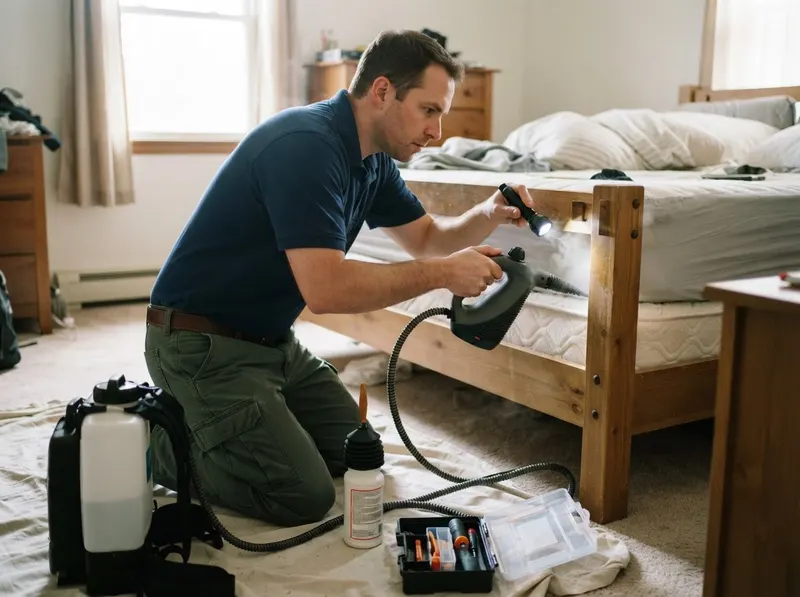
Targeted bed bug remediation eliminates Cimex lectularius through precise thermal contact applications, structural crack desiccant dusting, and targeted insect growth regulators. Technicians physically examine mattress piping, box spring internal frameworks, baseboard perimeters, behind headboards, and electrical outlet switch boxes to map bed bug harborage areas. Using pharmaceutical-grade amorphous silica gel dust, microscopic physical barriers are established in wall cavities where bed bugs navigate between rooms. The treatment chemically interrupts chitin formation in nymph stages and breaks reproductive cycles, eradicating resistant strains safely without leaving oily residues or toxic odors on sleeping surfaces.
Get a quote →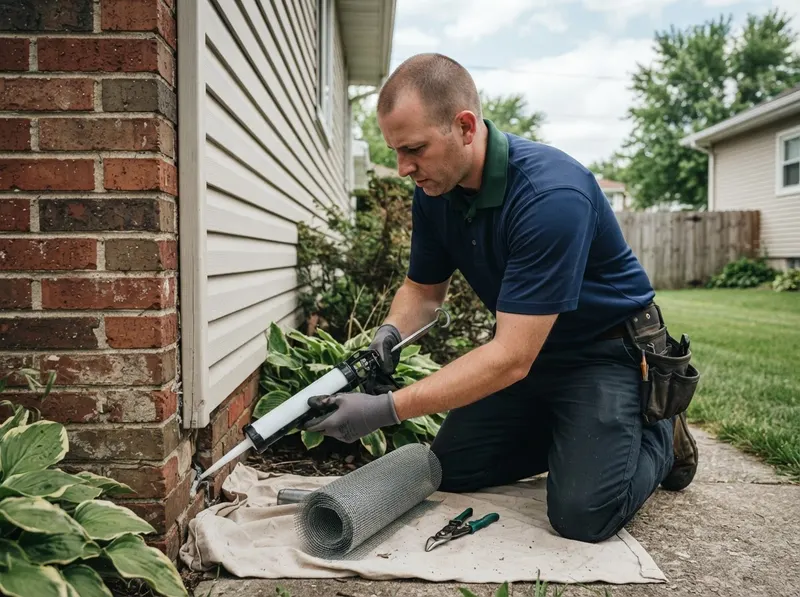
Rodent mechanical exclusion seals residential structures against Norway rats and house mice by physically closing entry points larger than one-quarter inch. Technicians inspect exterior sill plates, low-hanging crawlspace vents, brick weep holes, foundation penetrations around plumbing lines, and roofline soffit returns. Exclusion work involves custom-cutting heavy 19-gauge galvanized hardware cloth, packing copper mesh into mortar voids, and applying metal-reinforced structural elastomeric sealants that rodents cannot gnaw through. Interior snap traps are placed along structural runs inside crawlspaces, attics, and drop ceilings to quickly capture displaced rodents without placing toxic rodenticide baits near food pantries or pet feeding bowls.
Get a quote →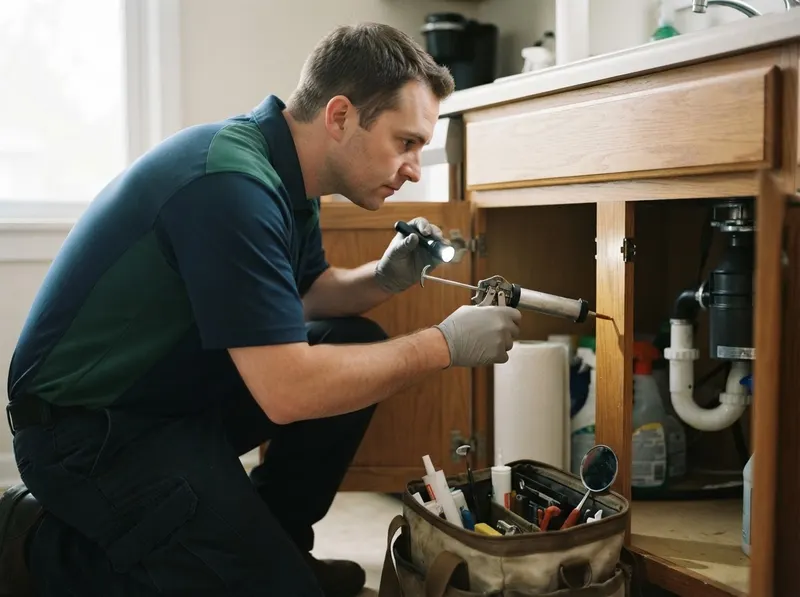
Cockroach baiting protocols target German, American, and Oriental cockroaches using bait matrices formulated with species-specific food attractants and slow-acting metabolic disruptors. Applications are executed as precise micro-dots inside cabinet door hinges, under counter edges, behind refrigerator compressor coils, and within hollow cabinet legs where cockroaches gather away from human contact. This protocol harnesses social grooming habits, ensuring the active bait passes through the population by horizontal transfer. Technicians omit broad-spectrum broadcast aerosol sprays, preventing airborne chemical dispersal across food preparation areas and avoiding the chemical dispersion that spreads roaches into bedrooms.
Get a quote →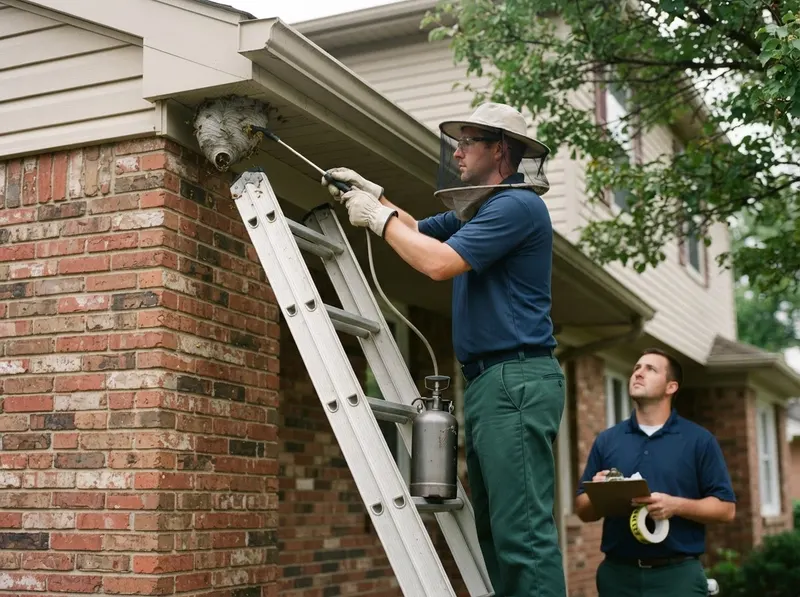
Stinging insect colony removal extracts bald-faced hornets, aerial yellowjackets, paper wasps, and carpenter bees from overhangs, soffit corners, window casings, and perimeter landscape trees. Technicians use precision telescoping application wands and non-residual freezing compounds to immediately immobilize defensive insect colonies without broadcasting chemicals across yard grass or play areas. Once neutralized, the physical nest envelope and underlying papery comb structure are mechanically scraped away and removed from the property, eliminating pheromone markers that draw new queen wasps back to the same architectural corner during subsequent nesting cycles.
Get a quote →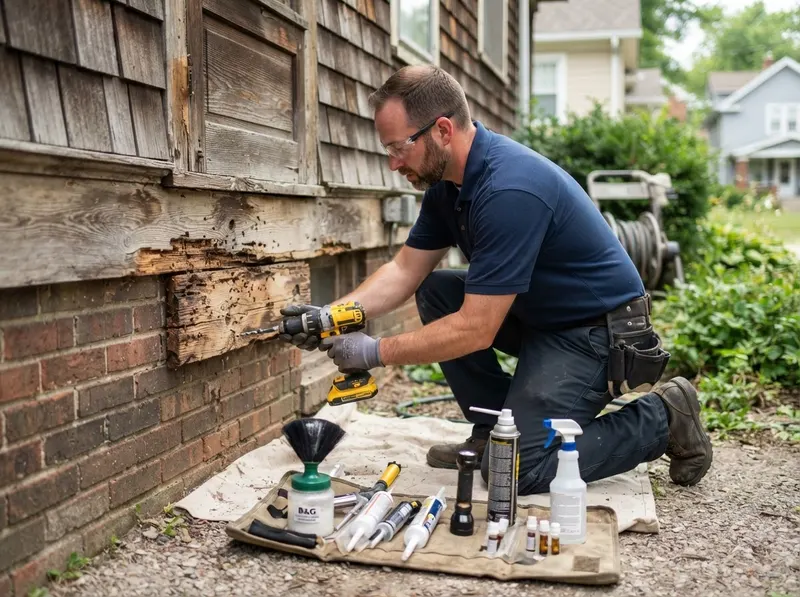
Carpenter ant structural remediation stops Camponotus pennsylvanicus from hollowing out structural wall studs, window frames, and exterior porch headers. Technicians isolate parent colonies nesting in outdoor tree hollows or buried wood roots and track satellite colonies burrowing into interior moisture-damaged lumber. Micro-dosed non-repellent liquid formulations and target-specific carbohydrate baits are delivered directly into structural galleries through tiny, sealable inspection access points. By transferring bait to the central nest, wood excavation ceases without broad-spectrum chemical saturation across baseboards, preserving sound structural framing and keeping indoor living spaces clean.
Get a quote →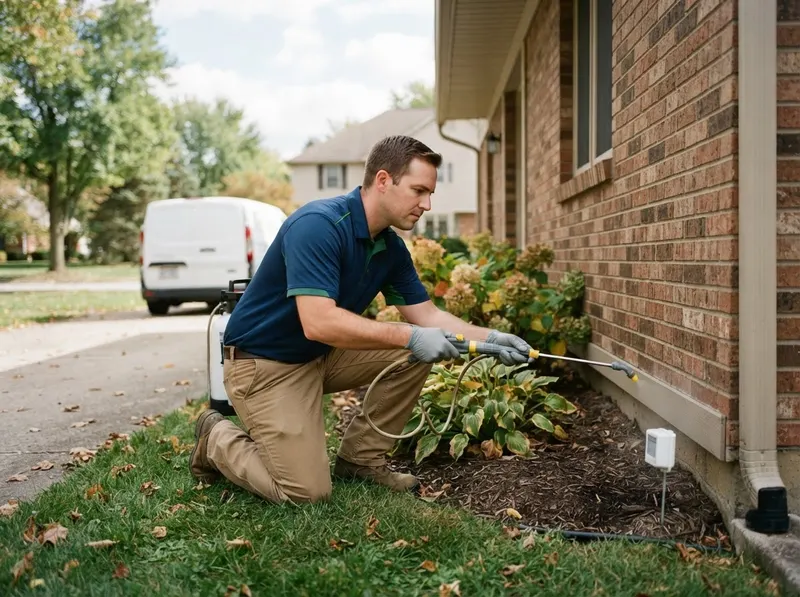
Seasonal perimeter pest defense establishes a continuous, low-impact exterior barrier around foundation walls, basement window wells, porch footers, and utility entry conduits. The application targets nuisance perimeter invaders including brown marmorated stink bugs, western conifer seed bugs, boxelder bugs, and pavement ants before they slip past exterior window casings and door thresholds. Micro-encapsulated formulations bond to exterior stone, brick, vinyl, and soil surfaces, withstanding rain and sun degradation for up to ninety days. This exterior band minimizes indoor insect occurrences, keeping treatments outside the home.
Get a quote →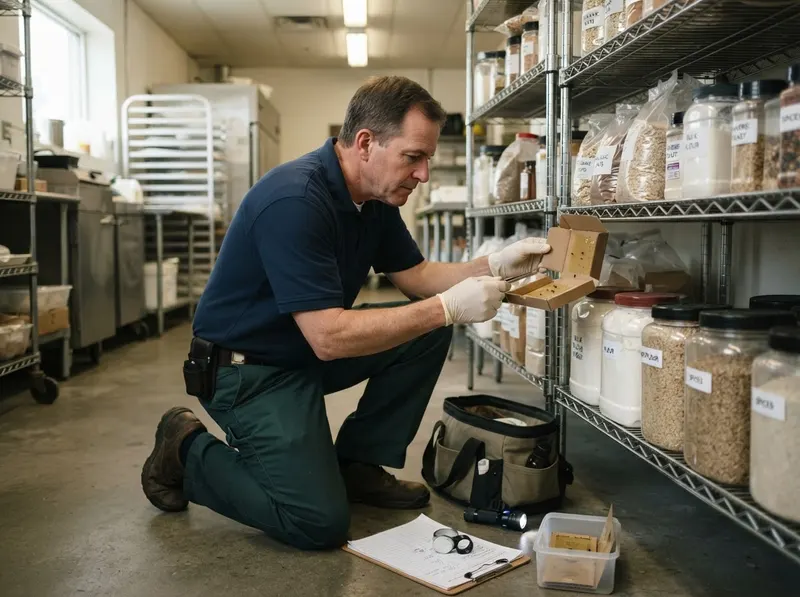
Stored product pest interception eliminates Indian meal moths, sawtoothed grain beetles, confused flour beetles, and cigarette beetles from residential kitchen pantries and dry-food storage shelving. Technicians inspect opened dry goods, cardboard packaging, pasta containers, and spice drawers to locate primary breeding zones. The protocol pairs pheromone monitoring traps with physical vacuuming of cabinet crevices, followed by localized applications of low-toxicity botanical insect growth regulators in structural wall joins. This focused strategy breaks insect development cycles without contaminating food items or exposing kitchen preparation surfaces to toxic compounds.
Get a quote →You get a firm, itemized quote for your pest control sevice before any work begins, no surprises, no pressure.
Careful prep, tidy work, and a full cleanup when we are done. We treat your home and belongings like our own.
The same trusted, background-checked team from the first call to the final check.
Selecting the correct pest control service intervention depends on biological species classification, architectural construction, moisture conditions, and infestation severity. When subterranean termites or carpenter ants actively compromise load-bearing floor joists, wall studs, or foundation sills, choose targeted non-repellent liquid termiticide perimeter soil barriers and localized micro-injections of therapeutic foam; when casual perimeter invaders like field crickets, millipedes, or sowbugs breach weatherstripping, choose exterior botanical band barriers combined with mechanical door sweeps and weep hole screens. The fundamental trade-off balances labor-intensive exterior perimeter trenching and injection drilling against short-duration topical sprays that degrade under Ohio rainfall within thirty days.
For biological contaminants such as German cockroaches or bed bugs residing in domestic living spaces, choose precision crack-and-crevice gel baits paired with insect growth regulators and amorphous silica desiccant dusts introduced behind electrical wall faceplates; if broad-spectrum synthetic pyrethroid space sprays are used instead, the insects scatter throughout adjoining walls, driving pests deeper into bedroom wall studs and subflooring. The trade-off requires meticulous mechanical inspection and precise micro-dot placement rather than rapid, indiscriminate aerosol spraying that introduces synthetic chemical residues into residential breathing zones.
When managing properties bordering drainage ditches, Lake Erie wetland estuaries in Point Place, or the heavily wooded ravines of Ottawa Park, choose scheduled quarterly barrier maintenance targeting seasonal migration corridors. For a isolated baldfaced hornet nest beneath a second-story dormer or an isolated yellowjacket subterranean burrow in Birmingham, choose single-event targeted freeze extraction. The trade-off is committing to a continuous exterior chemical and physical perimeter shield to stop predictable environmental pest pressure versus responding strictly to emergency stings or structural damage on an episodic, reactionary basis.
When structural wood rot occurs around wet basement sills or failing flat-roof scuppers in historic neighborhoods, choose thorough timber drying and architectural repairs alongside insect baiting; relying solely on chemical insecticidal dusts without fixing the underlying moisture leak guarantees re-infestation once the chemical formulation breaks down over six to twelve months. Addressing the moisture source permanently starves insect colonies of the wet conditions they need to sustain colony growth.
Every project gets a firm, written price after a free on-site visit. Ranges below for orientation.
Tell us about your pest control sevice job and we'll send a clear, written quote, usually the same day. Or just call and talk to a real Toledo pro.
(419) 754-1372
Properties throughout Lucas County face distinct structural pest pressures driven by proximity to the Maumee River, Swan Creek, and the vast wetland marshes of Maumee Bay State Park. Sustained high water tables throughout low-elevation neighborhoods like Point Place saturate foundation soils, accelerating subterranean termite foraging activity and pushing damp-seeking wood borers toward exterior sill plates and crawlspaces. In historic enclaves such as the Old West End and Five Points, residences built between 1890 and 1930 feature deep sandstone basements, soft mortar joints, and dimensional pine framing that provide ideal microclimates for carpenter ants and overwintering house mice. Along commercial and residential transit corridors near the Warehouse District and Southside rail yards, aging brick infrastructure and combined sewer systems provide subterranean travelways for Norway rats seeking winter warmth inside residential basements. Nearby suburban parcels in West Toledo, Franklin Park, and adjacent Ottawa Hills regularly experience concentrated migrations of brown marmorated stink bugs, boxelder bugs, and western paper wasps moving off dense oak and maple canopies toward residential rooflines every autumn. Technicians calibrate moisture checks and structural exclusion work around these local environmental conditions, reinforcing aging foundations against regional water tables and insect migration routes without relying on widespread chemical saturation.
Free estimates for Toledo & the surrounding area.
 TerraSafe Pest Co.